Jorge Colomina was born in 1953 in Alcoy, in the province of Alicante, Spain. Growing up in Francoist Spain during the 1960s, he was early exposed to the realities of emigration when his parents left their country to settle in Marseille. In 1963, he joined them in Paris with his brother. From a young age, Colomina developed a passion for drawing and painting, which would become the central focus of his life.
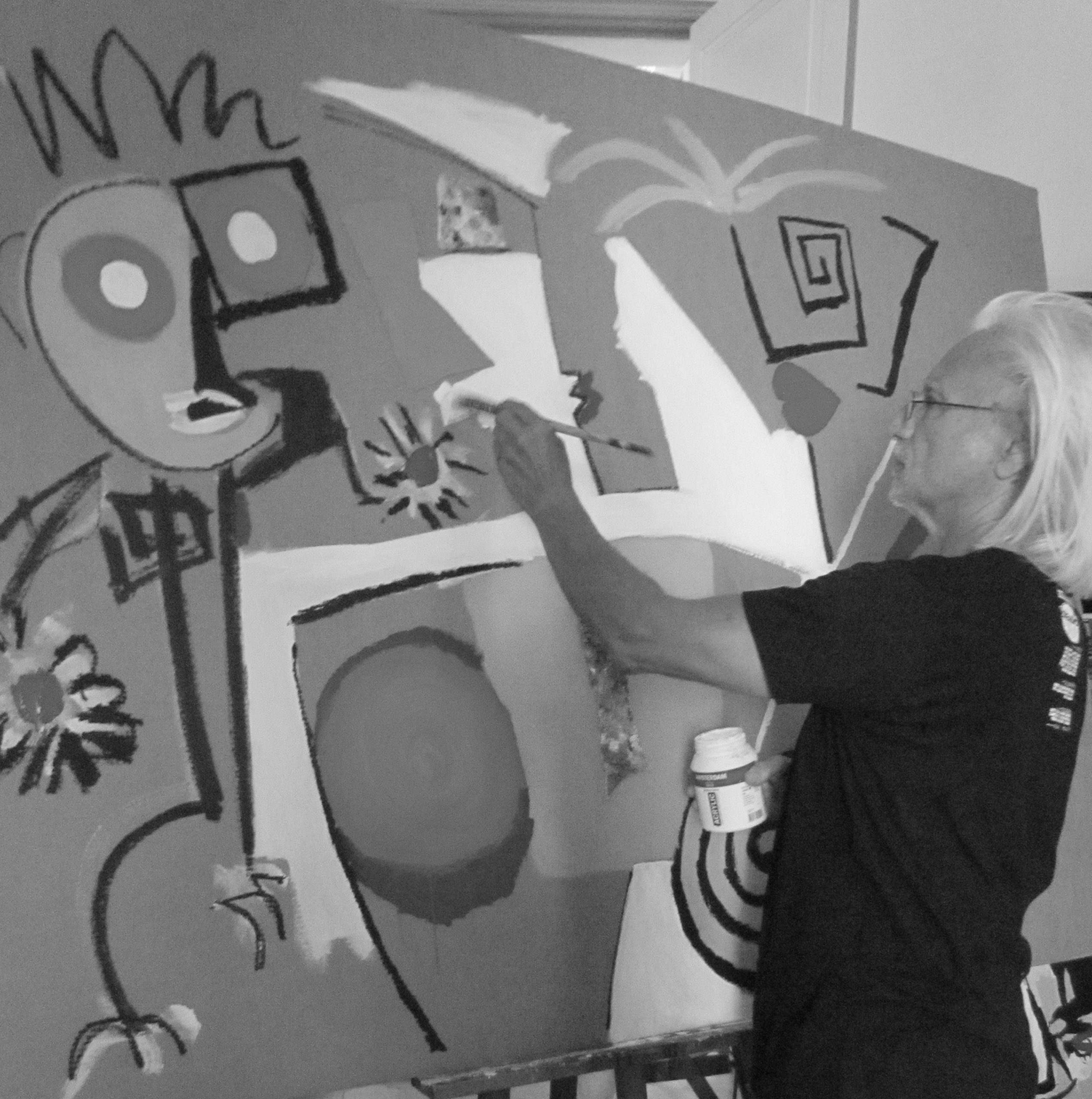
Upon arriving in Paris, the City of Light and its museums sparked his curiosity. He immersed himself in studying the works of masters such as Picasso, Miró, Cézanne, and Matisse, who would become major sources of inspiration for him. His training was largely self-taught; armed with his brush, he spent hours drawing, painting, and experimenting with different techniques.
At the age of thirty, Colomina decided to devote his life entirely to painting. He settled in Antibes, on the French Riviera, a setting bathed in Mediterranean light that would have a lasting influence on his work. This region, cherished by many artists before him, became his place of creative fulfillment. Free from external constraints, he was finally able to fully express his artistic universe.
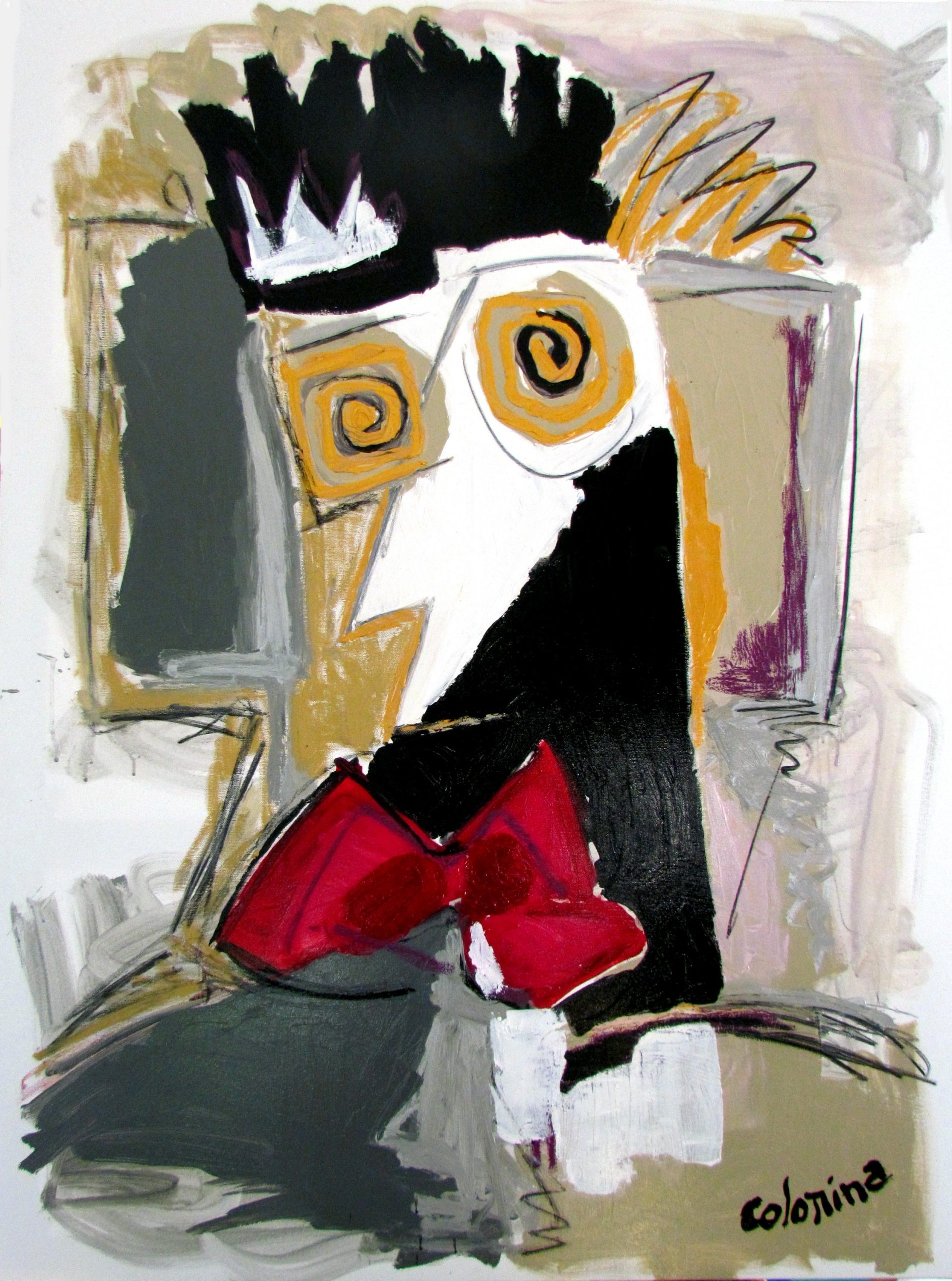
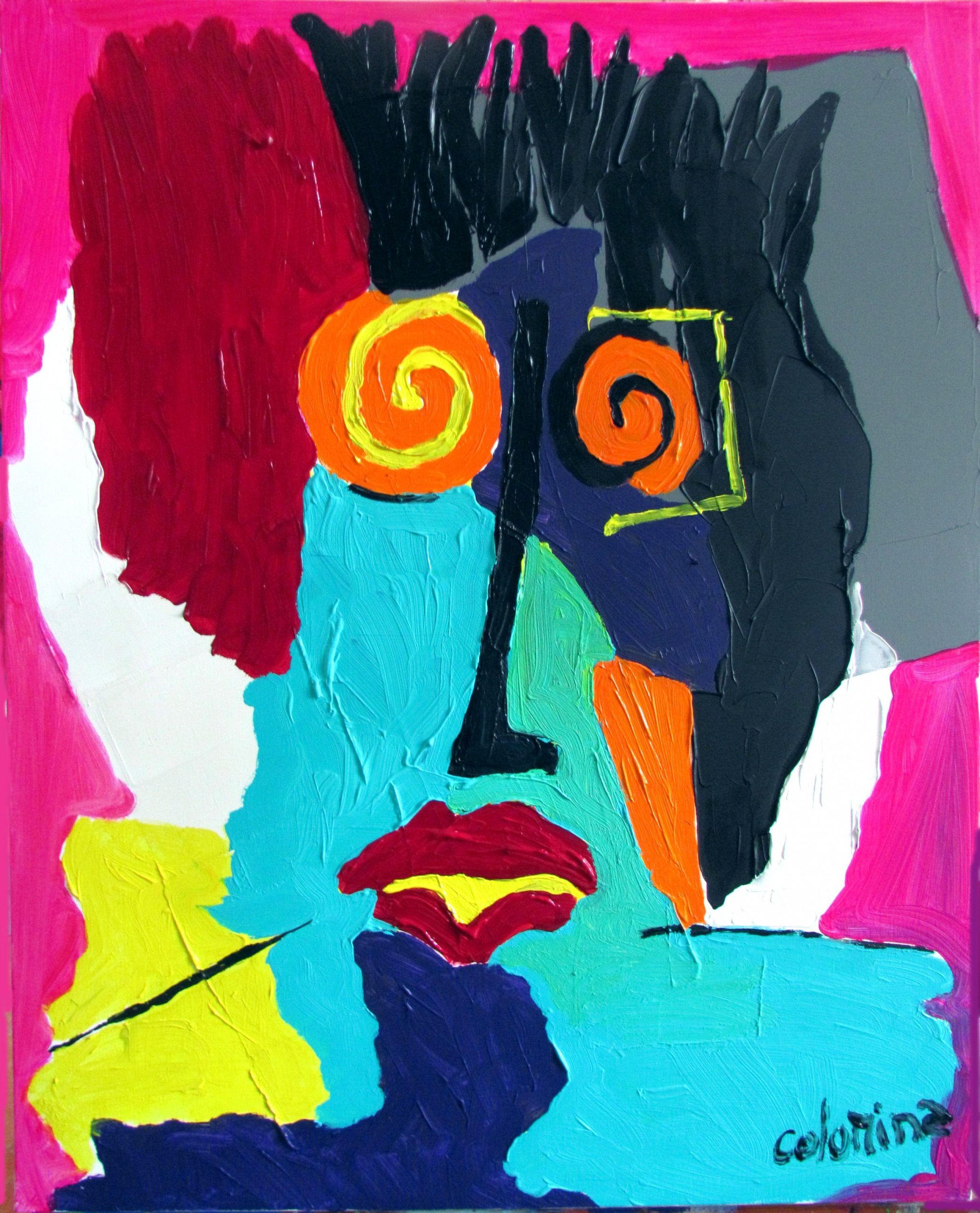
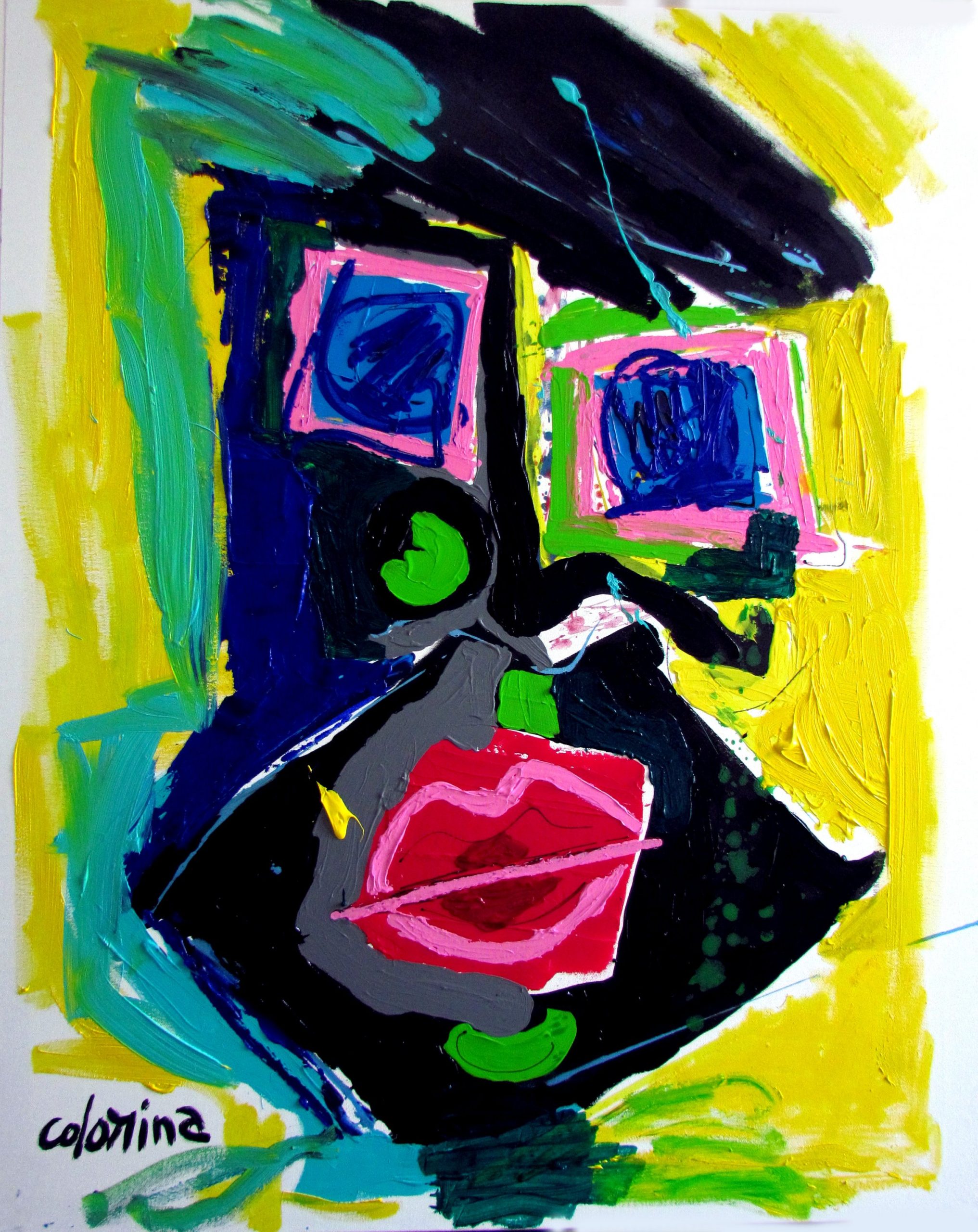
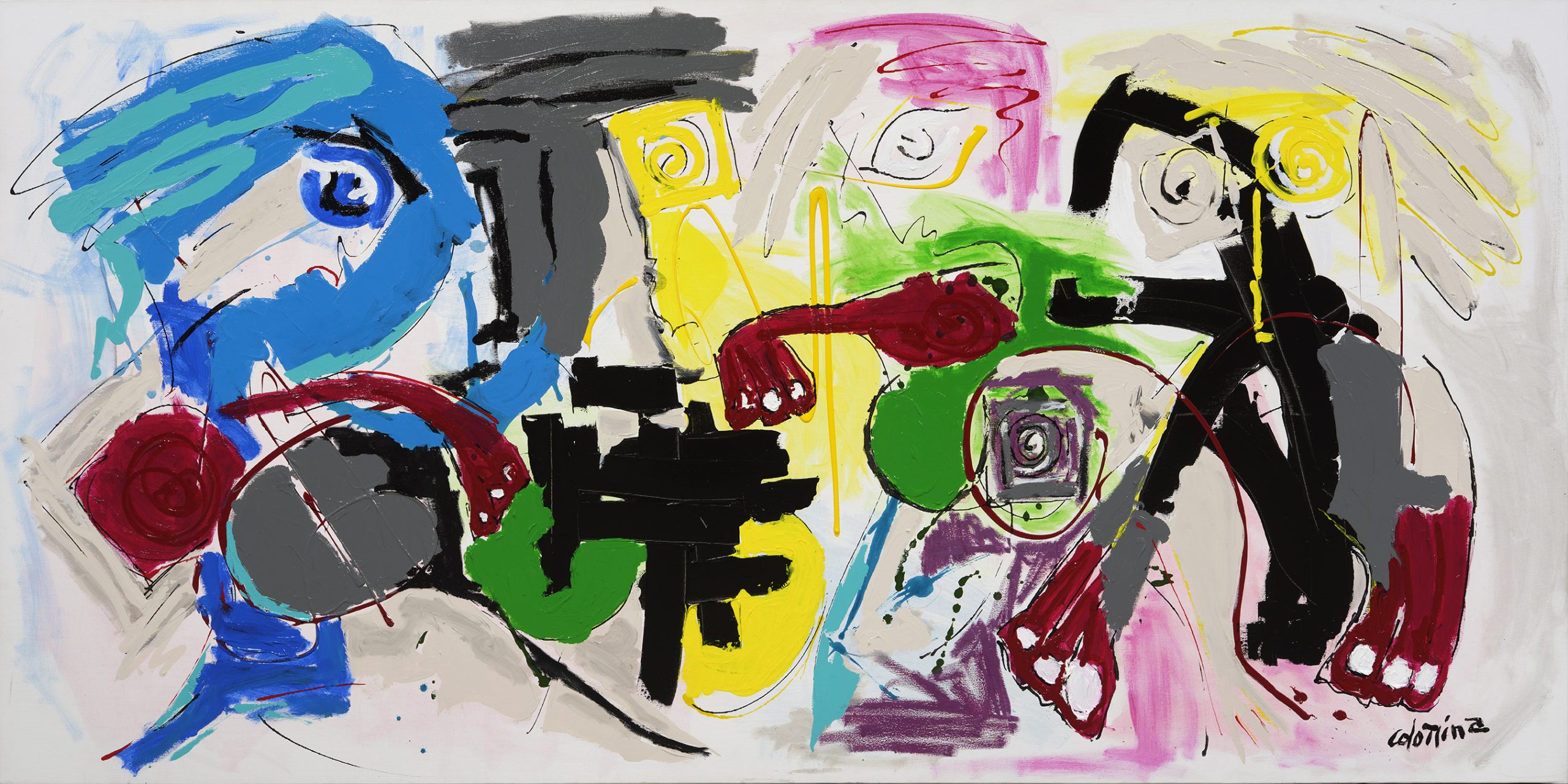
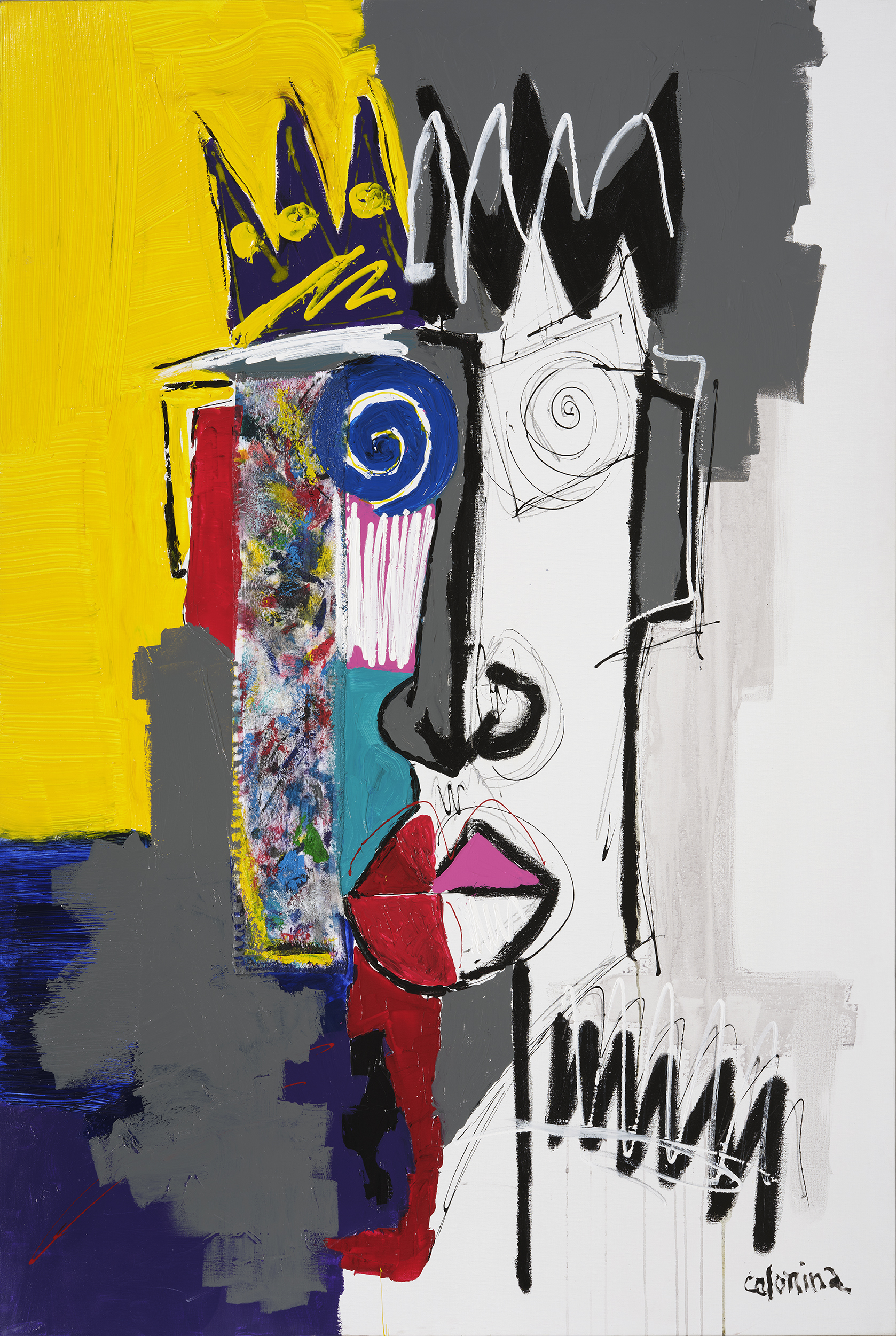
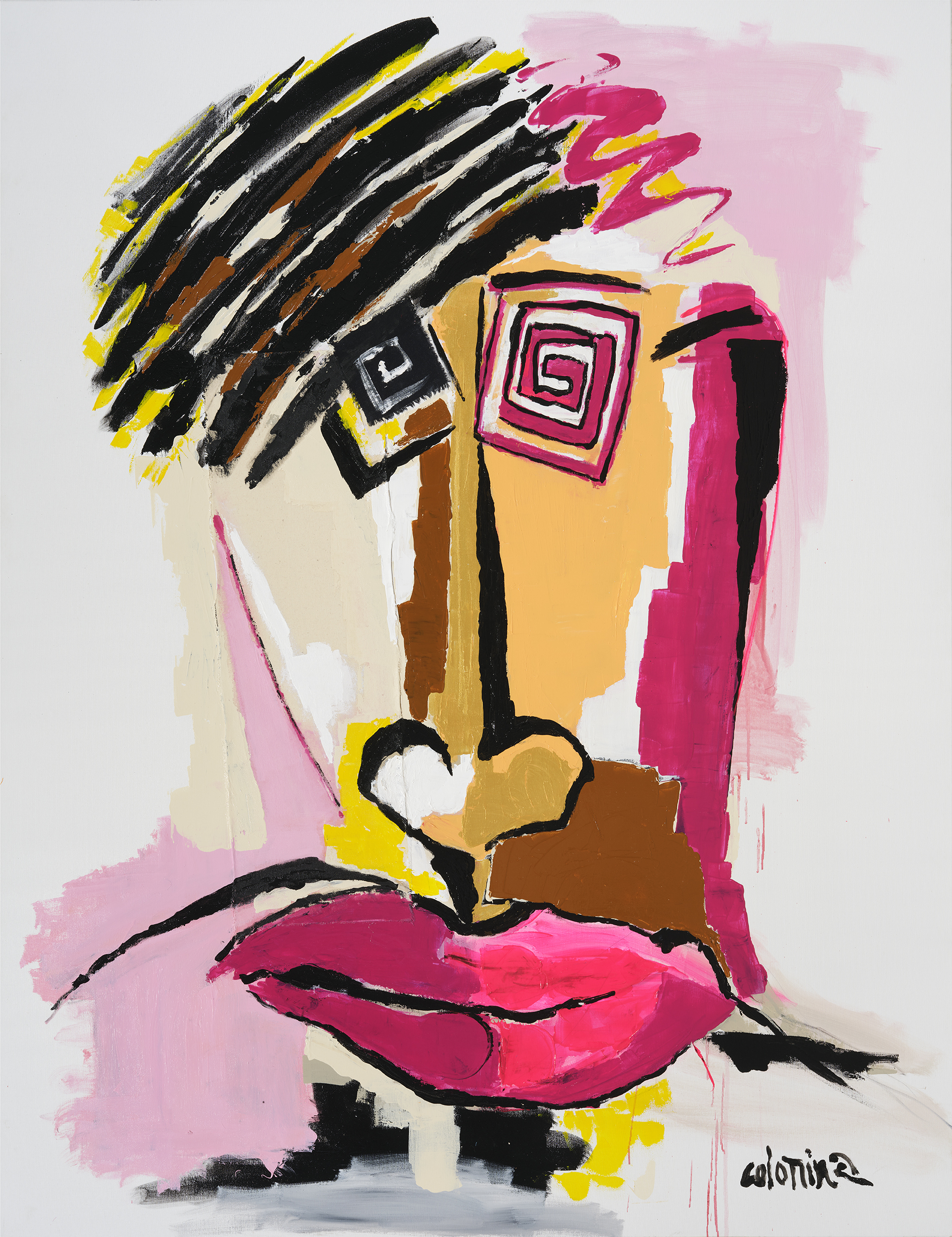
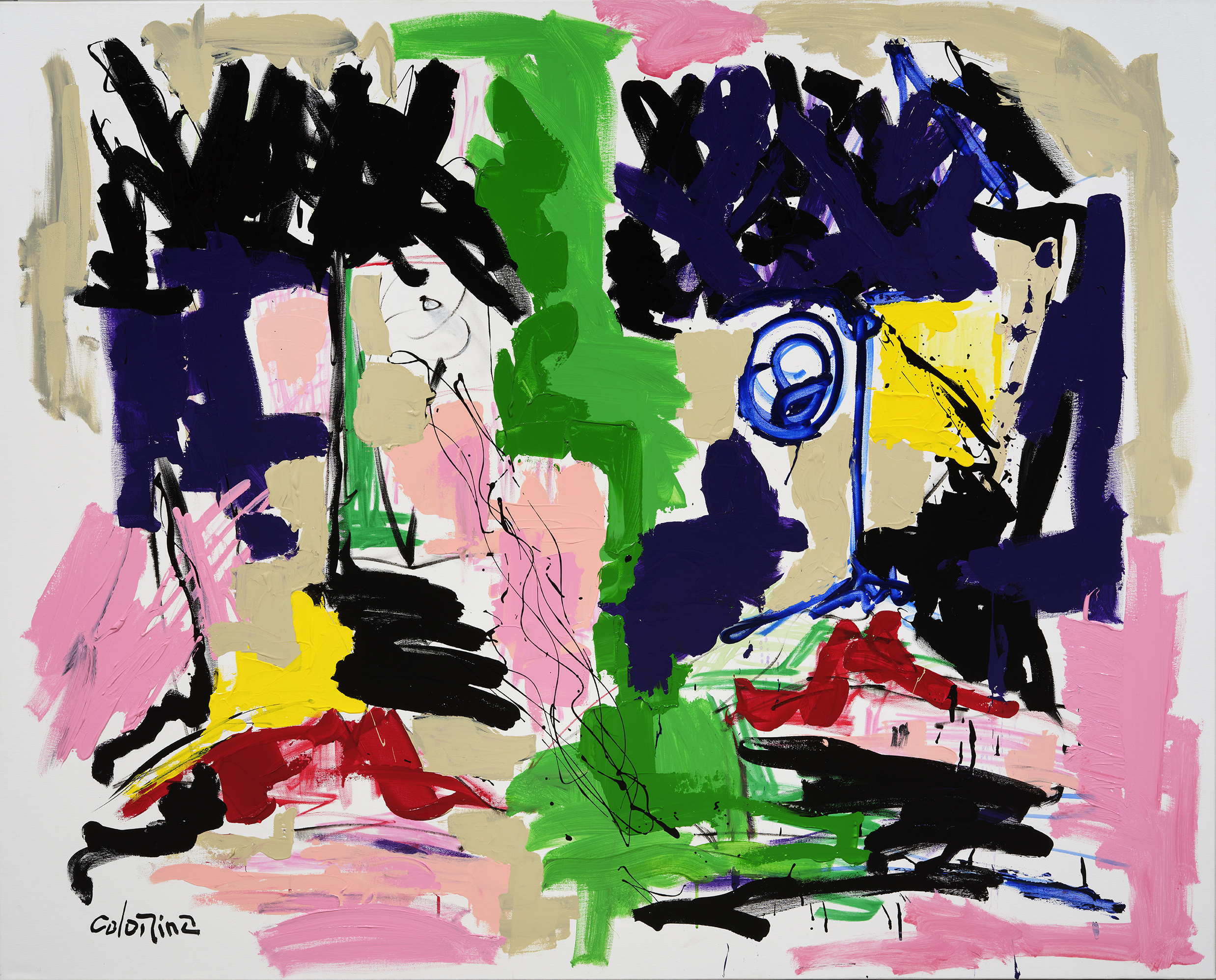
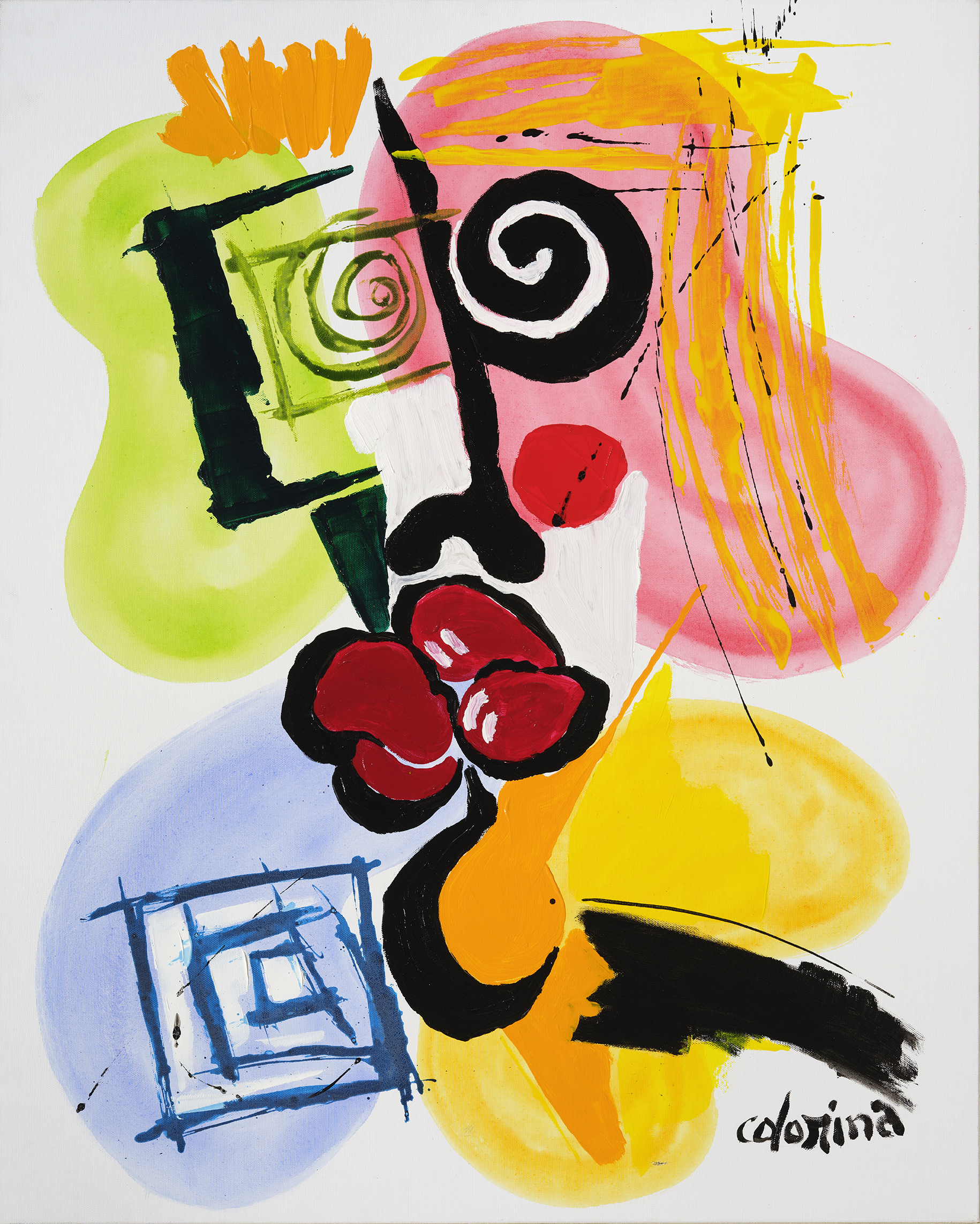
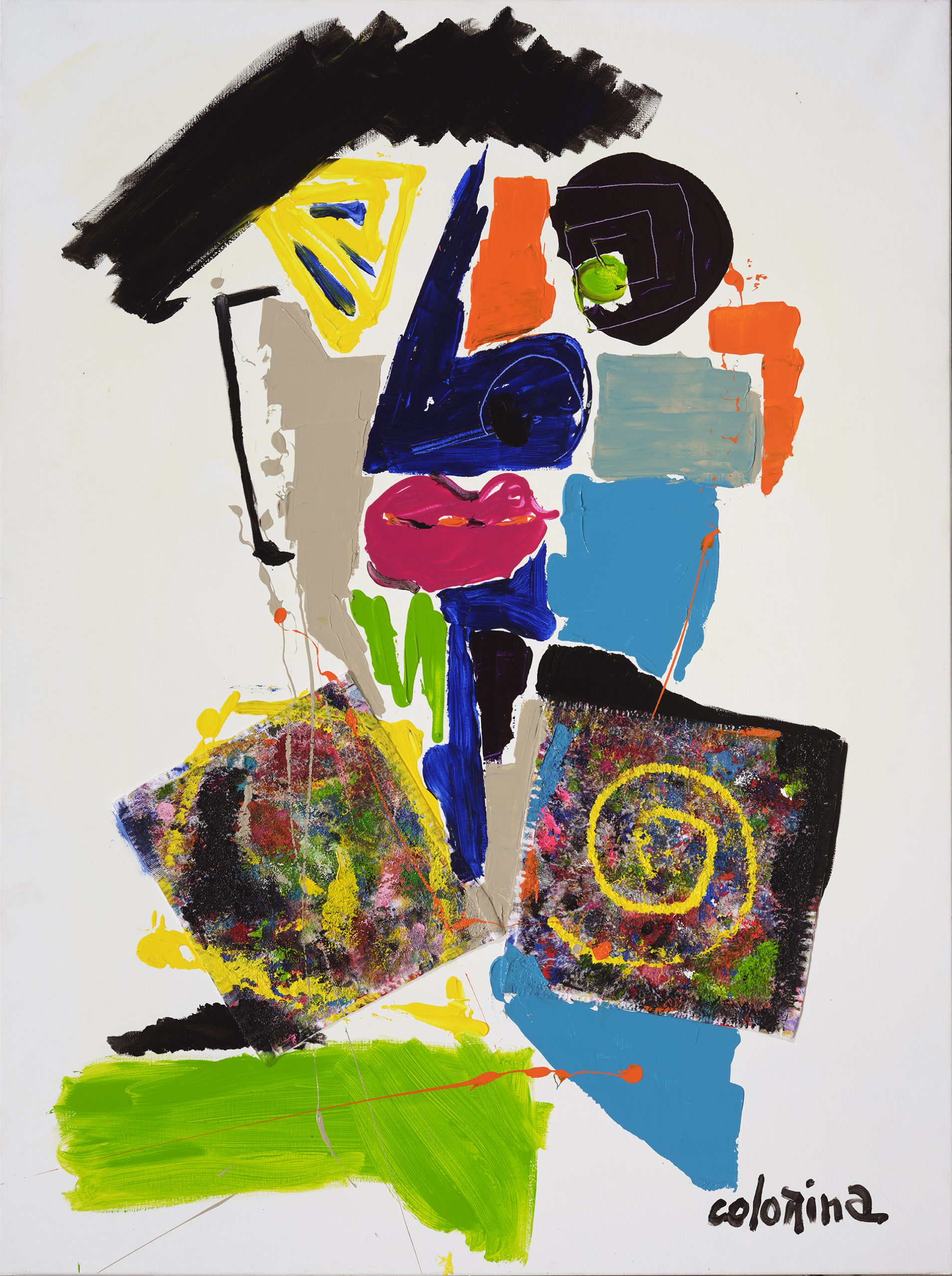
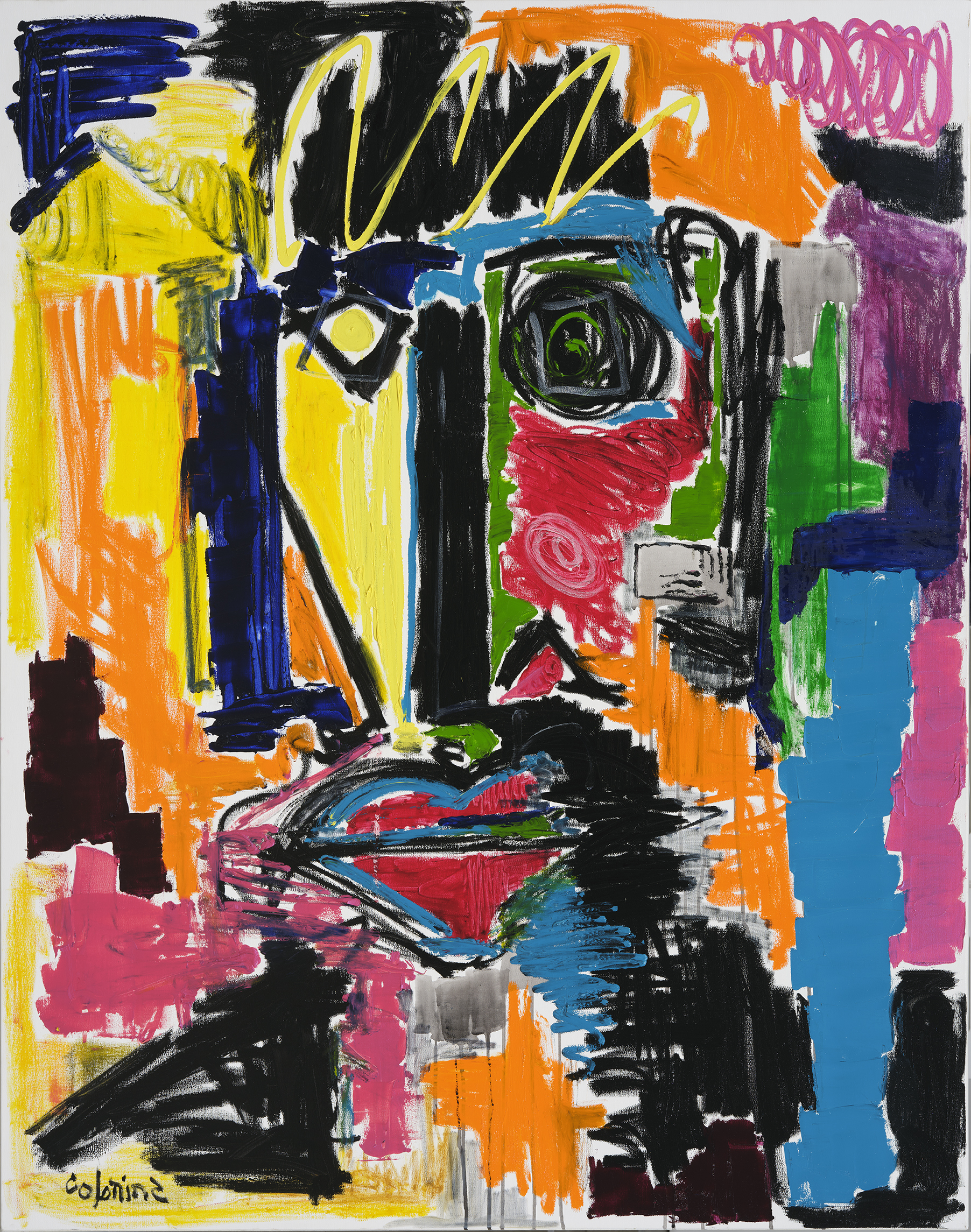
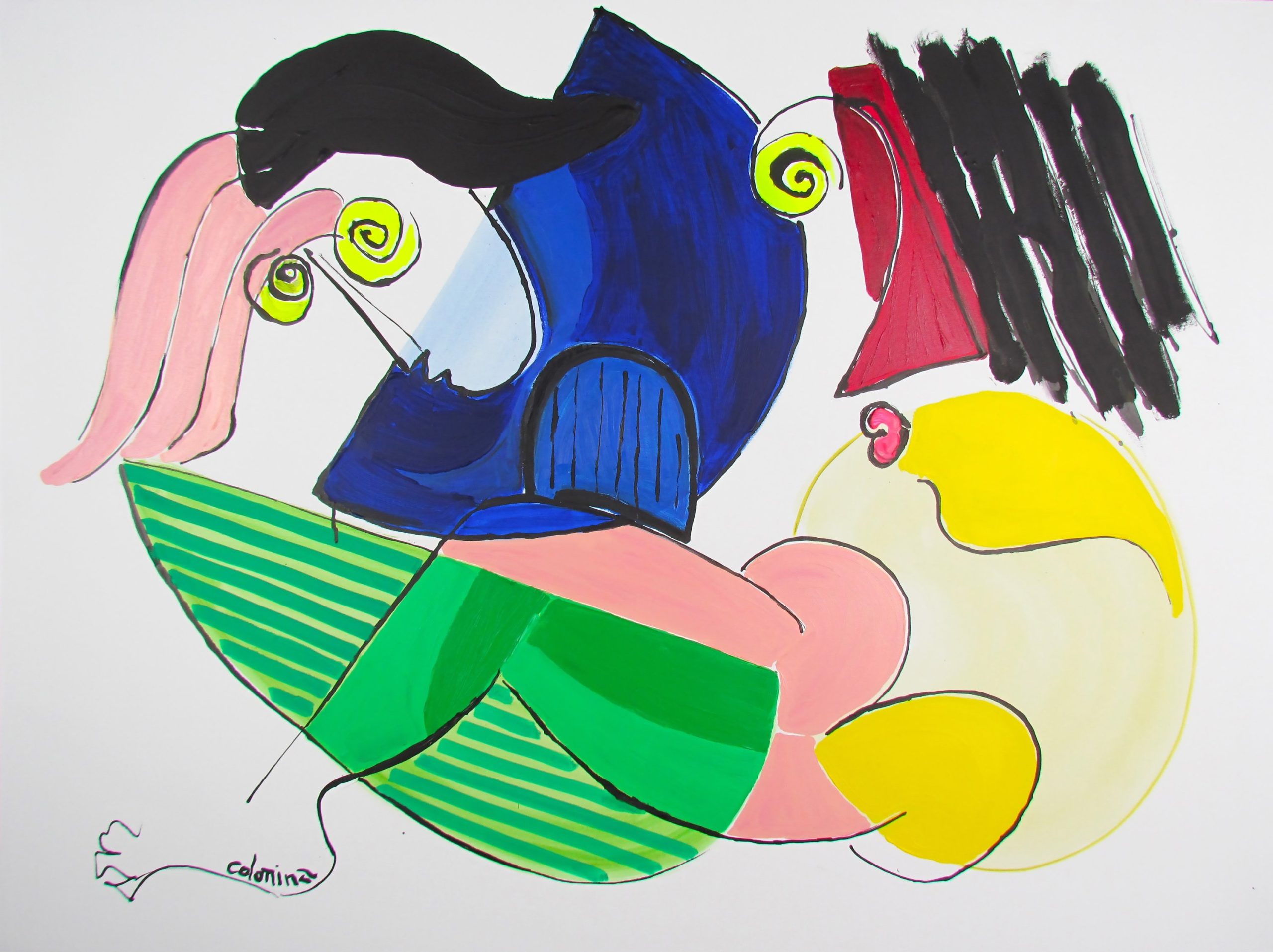
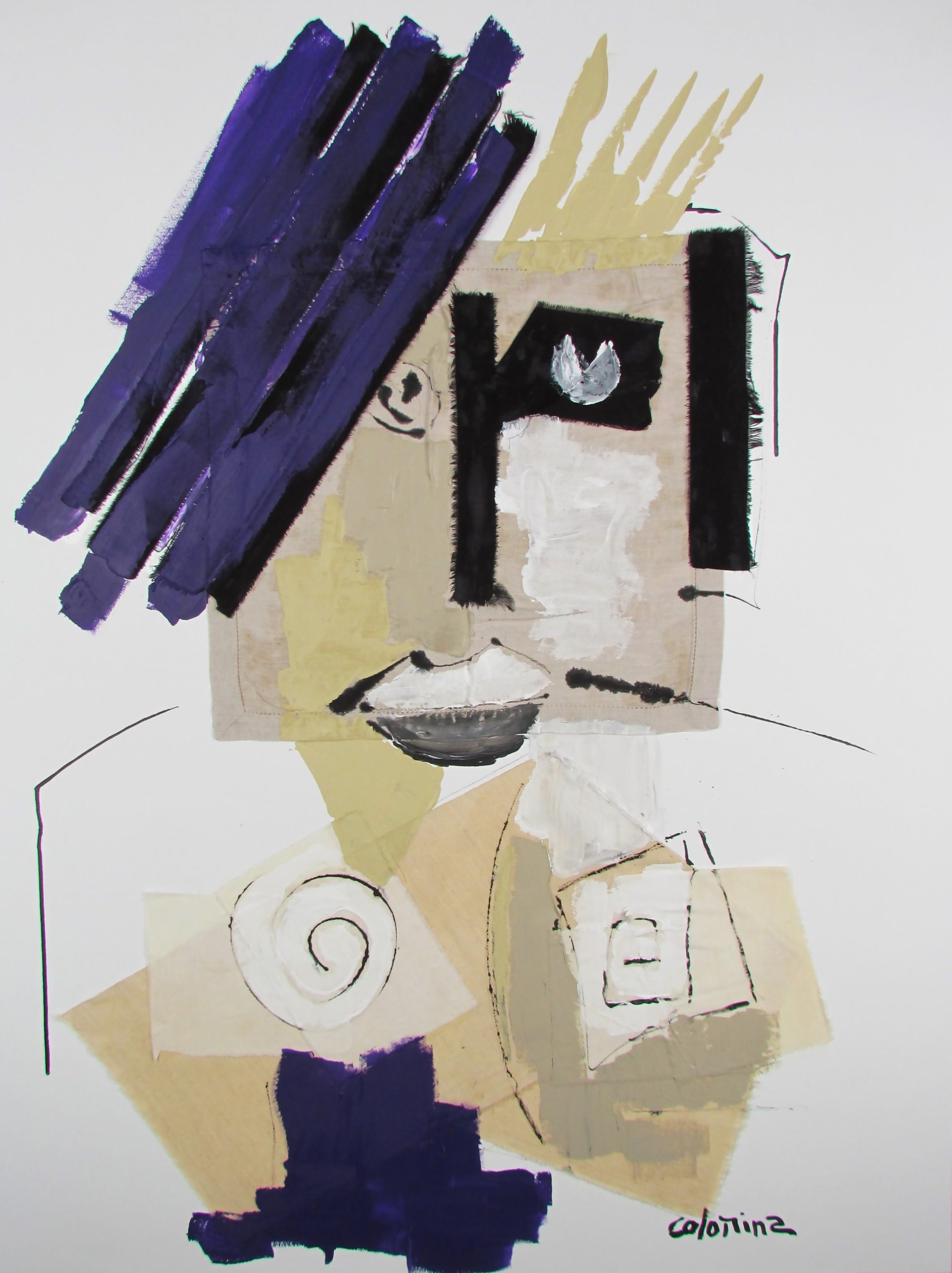
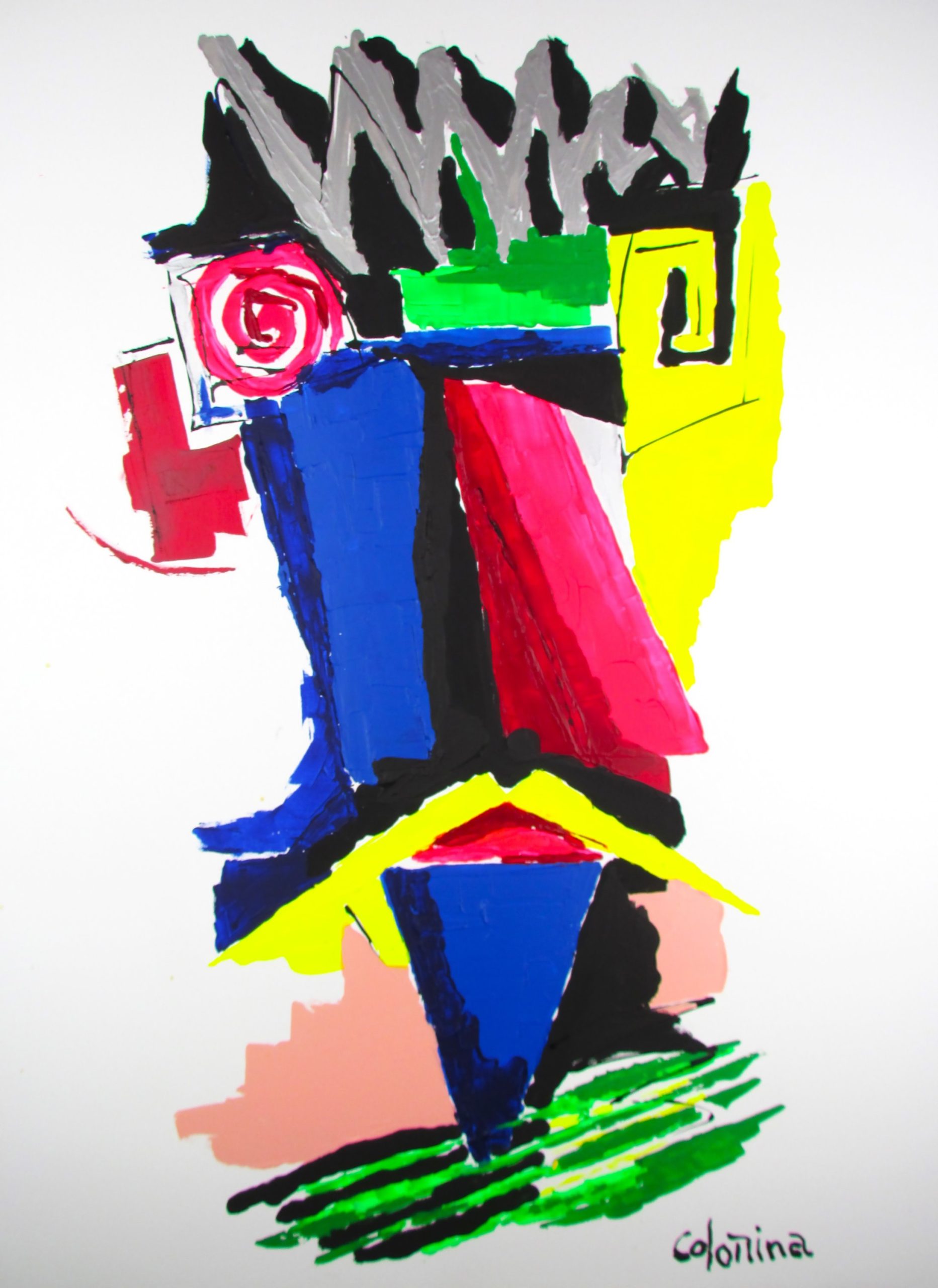
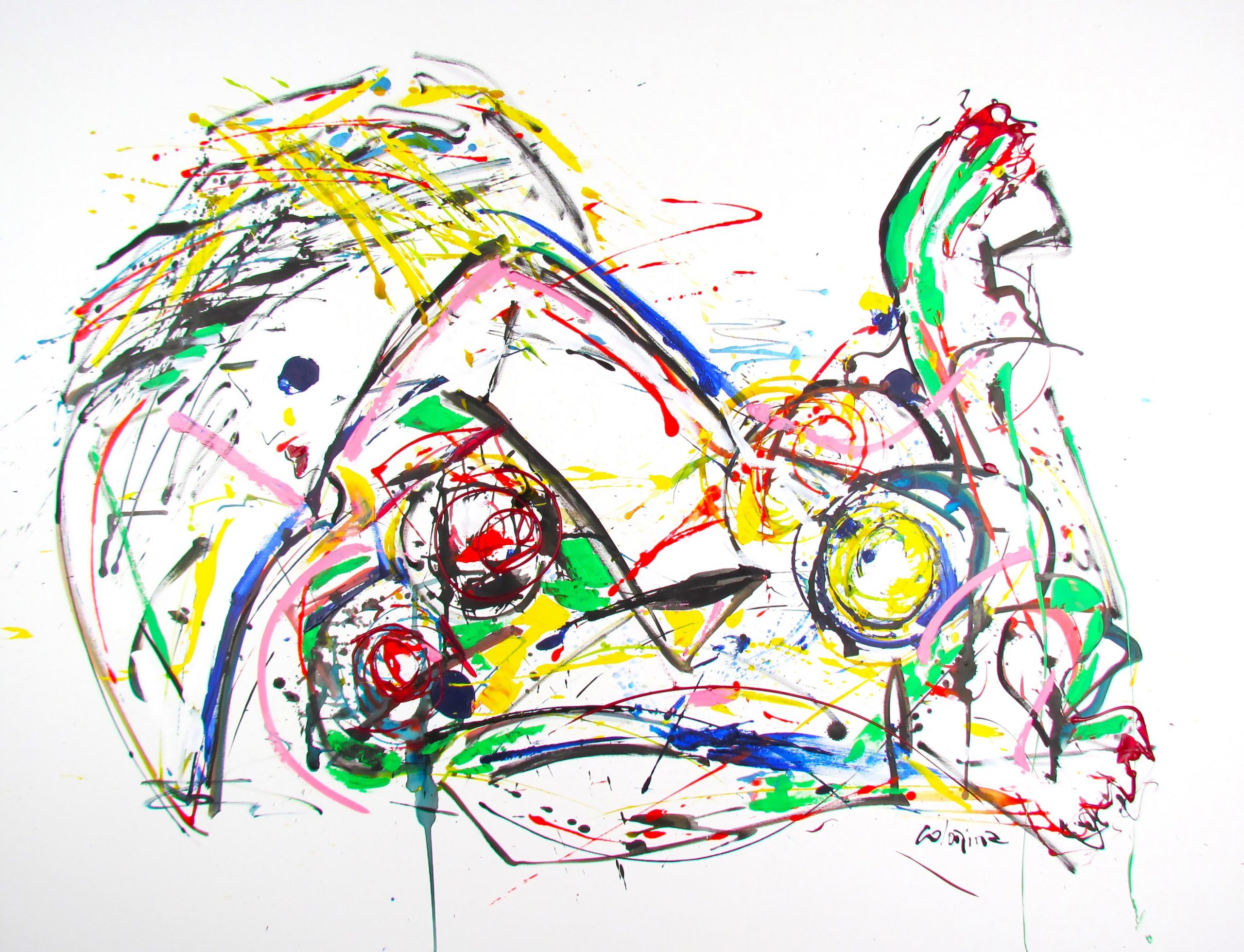
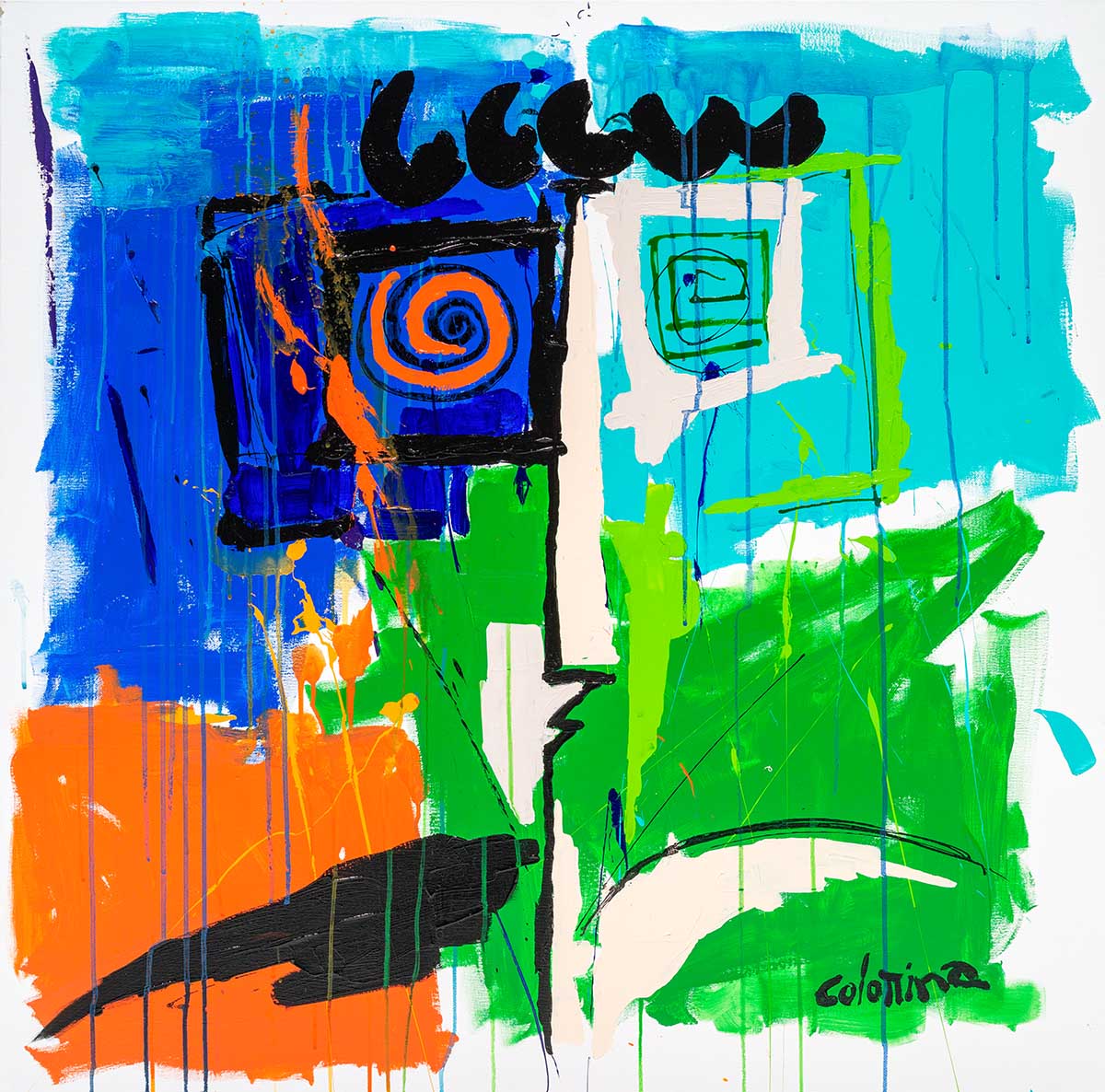
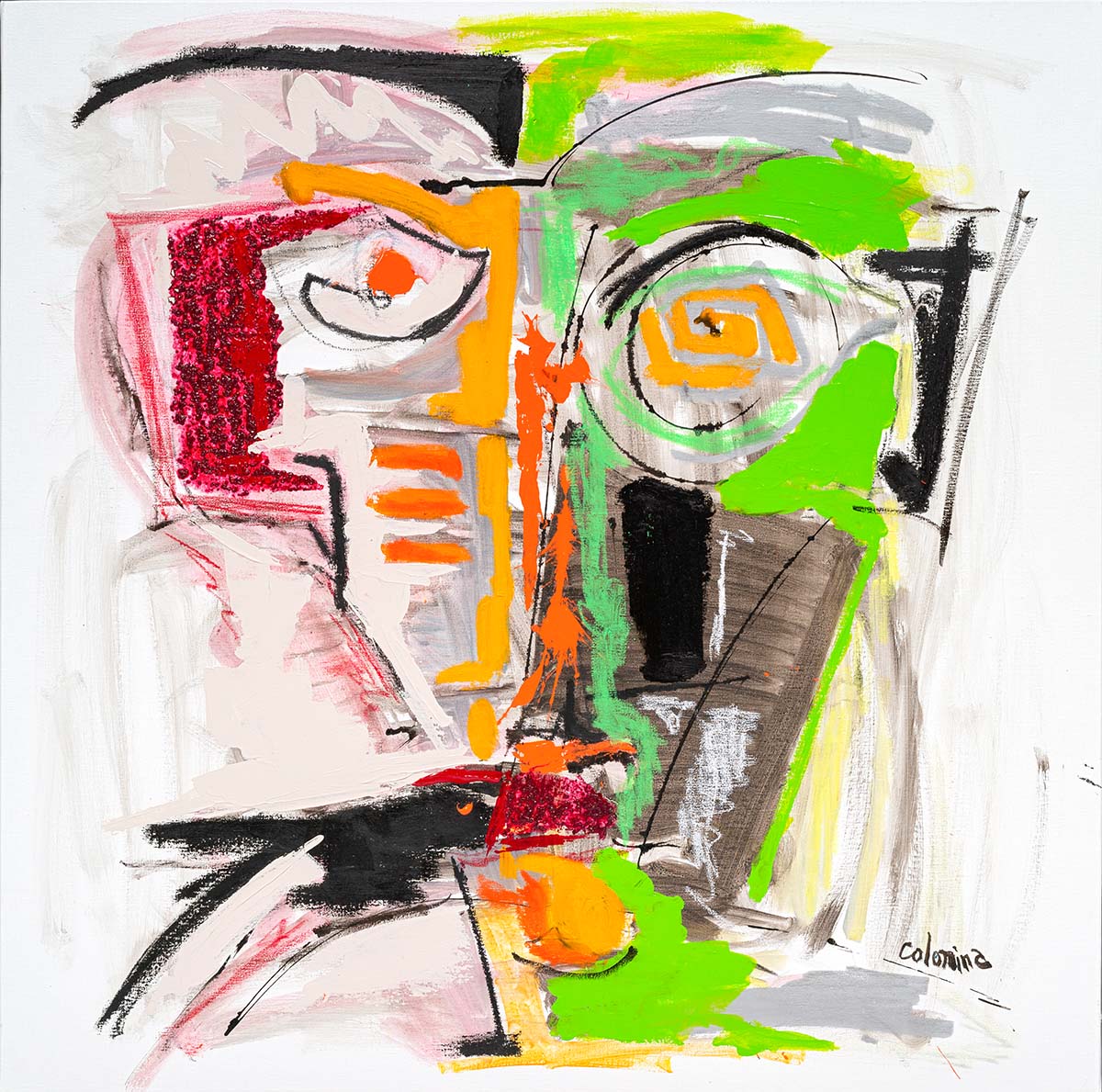
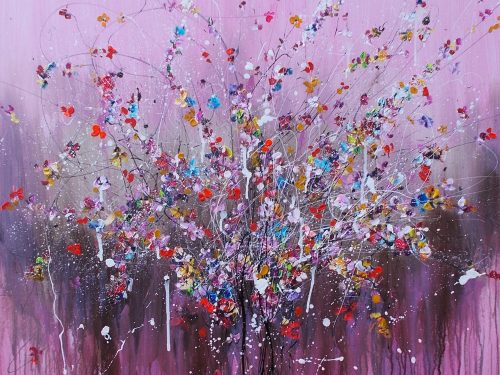
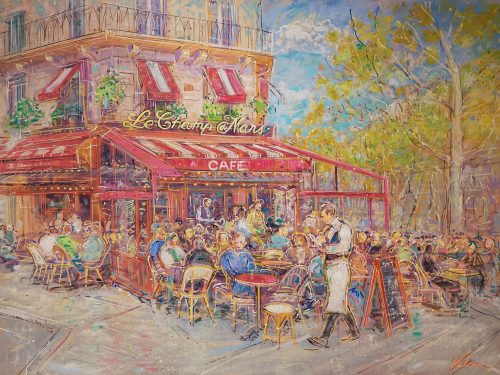
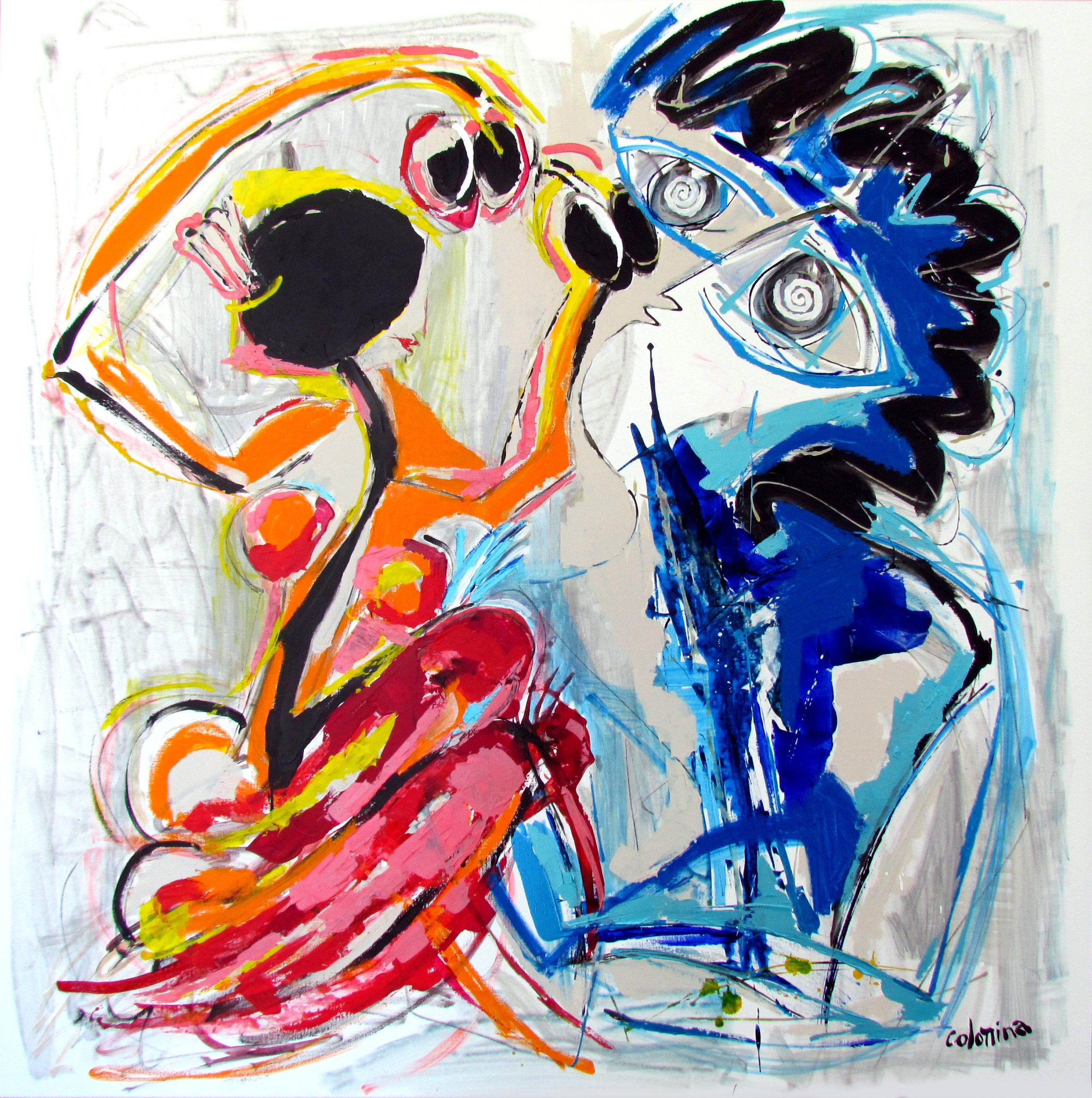
Jorge Colomina’s style falls within an aesthetic that could be described as “Abstract Figurative.” This hybrid form combines recognizable figurative elements with strong abstraction, allowing him to play expressively and dynamically with shapes and colors. In his work, subjects are not strictly realistic: human figures or objects, often stylized, are enveloped in vibrant colors and moving forms, creating an almost tangible energy on the canvas. Cubist and surrealist influences, particularly those of Picasso and Miró, can be felt in his compositions, as well as a taste for bold color contrasts inspired by Matisse.
Color lies at the heart of his artistic expression. Colomina uses it not only to structure space but above all to convey emotion. Bright reds, blues, and yellows blend in daring compositions, producing effects of dynamism and vitality. His painting often reflects a sense of joy, energy, and movement, as well as a certain sensuality, highlighting the harmony and tension between forms and tones.
This work with color and form makes Colomina a deeply modern artist, seeking to express his inner states and emotions through the canvas. His works invite viewers into an intuitive interaction, where color takes precedence over form, leaving room for multiple interpretations.
Recognized for his originality and mastery of pictorial techniques, Jorge Colomina has participated in numerous exhibitions. His paintings have crossed borders and are found in collections in France and internationally.
Today, Jorge Colomina continues to evolve in his art, always in search of new ways to translate his emotions through shapes and colors. His journey reflects a constant fidelity to his artistic vision, where passion remains the driving force behind his creation.